



What is Neurodiversity?
Neurodiversity is an umbrella term that refers to the diversity in brain functioning associated with a range of developmental conditions and experiences. These include (but not limited to):
- Autism Spectrum Disorder (ASD)
- Attention deficit hyperactivity disorder (ADHD)
- Fetal alcohol spectrum disorder (FASD)
- Intellectual disability
Supporting children with Neurodiversity
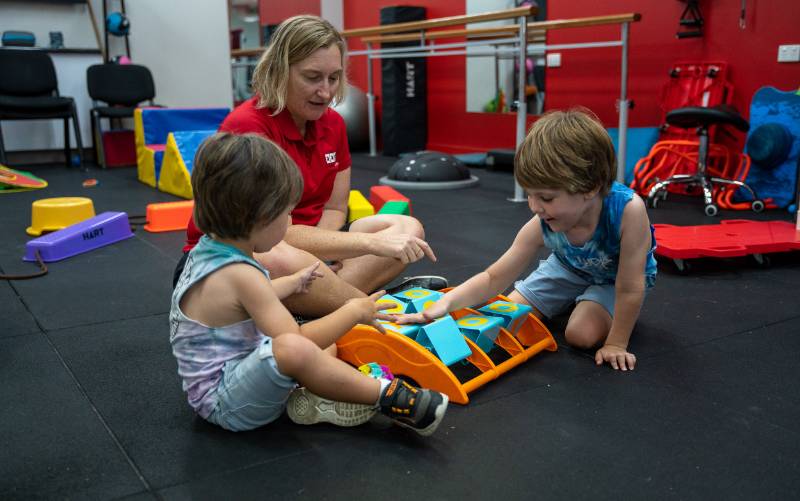
Exercise is essential for our child’s physical, mental and social wellbeing. For those who are neurodivergent, regular exercise has been demonstrated to improve gross motor skill, social
functioning, muscular strength, physical endurance, behavioural symptoms and mood states. Children with neurodiversity may need additional support by an Exercise Physiologist to help them engage with safe and effective exercise interventions.
Exercise Physiologists can provide expert care and exercise intervention for your child’s condition and physical activity needs. We believe that exercise should be enjoyable and accessible for all ages and abilities! Please refer below for further detail regarding the benefits of exercise for specific neurodiverse conditions and experiences.
At Activate Health, we offer a sensory friendly gym for those who experience sensory challenges and differences with information processing. We also offer hydrotherapy sessions which provides a calming sensory input whilst engaging in physical activity.
For more specific benefits for the listed condition above – please see information below.
Autism Spectrum Disorder
Autism is characterised as social communication differences, and restricted, repetitive and/or sensory behaviours or interests. In addition (although not apart of the diagnostic criteria), children/adolescence with ASD may present with delays or difficulties in motor development. These delays in fundamental movement skills have been shown to further contribute to physical inactivity, which leads to an increased risk of chronic disease. Therefore, it is imperative that children with ASD are supported by an Accredited Exercise Physiologist to assist in enhancing their physical development and engagement in exercise.
Under the guidance of an Exercise Physiologist, we can help obtain the following benefits associated with exercise:
- improve emotional regulation and attention.
- A reduction in stereotypcial and repetitive behaviours.
- Increased social behaviour and communication skills.
- Improved gross motor skills, resulting in improved independence and function for daily tasks.
- Better self-confidence, self-esteem and a sense of belonging.
Attention Deficit Hyperactivity Disorder
ADHD is characterised by differences of inattention and/or hyperactivity impulsivity that interferes with functioning or development. Exercise has positive outcomes, particularly behavioural and cognitive improvements in those with ADHD symptoms.
Regular, moderate to vigorous exercise has been associated with the folllowing benefits for those with ADHD:
- improved brain processing speed
- working memory
- greater ability to plan and problem solve
- reduced impulsivitiy
- reduce anxiety
- improved attention
Fetal alcohol spectrum disorder (FASD)
FASD is a term used to describe the lifelong physical and/or neurodevelopmental disorders that can result from fetal alcohol exposure. This condition can affect multiple developmental domains such as motor skills, cognition, language, academic achievement, memory, attention, emotional regulation, social skills and so on.
Implementing Exercise Physiology services can help gain the following benefits associated with exercise:
- Improved emotional regulation with regular exercise engagement.
- Increased social development and engagement with peers in an exercise setting.
- Fostering physical development via engaging in exercise activities for motor planning, coordination, balance, and postural control/endurance.
Intellectual Disability
The DSM-5 defines intellectual impairment as a neurodevelopment disorder that begins in childhood and is characterized by intellectual difficulties as well as difficulties in conceptual, social and practical areas of living.
Exercise Physiology services can help gain the following benefits associated with exercise:
- Exercise has been suggested to improve cognitive abilities such as learning and memory, attentional processes, and executive function.
- Regular exercise helps reduce stress and anxiety, and increase socialisation and interaction with others.
- Reduce sedentary behaviour and in turn reducing the risk of lifestyle diseases (e.g. type 2 diabetes, heart disease, obesity).
Our Exercise Physiology services are individualsed to your child’s goals and interests. To discuss how Exercise Physiology services will benefit your child, please don’t hesitate to contact us on 07 4939 5696.
We accept all participating Health Funds


Rockhampton
5/287 Richardson Road, Kawana
Yeppoon
2 Braithwaite Street
Emu Park
1/24 Hill Street